Managing pain at home
Managing Pain At Home
Voice: Here are five things you can do to help manage the pain.
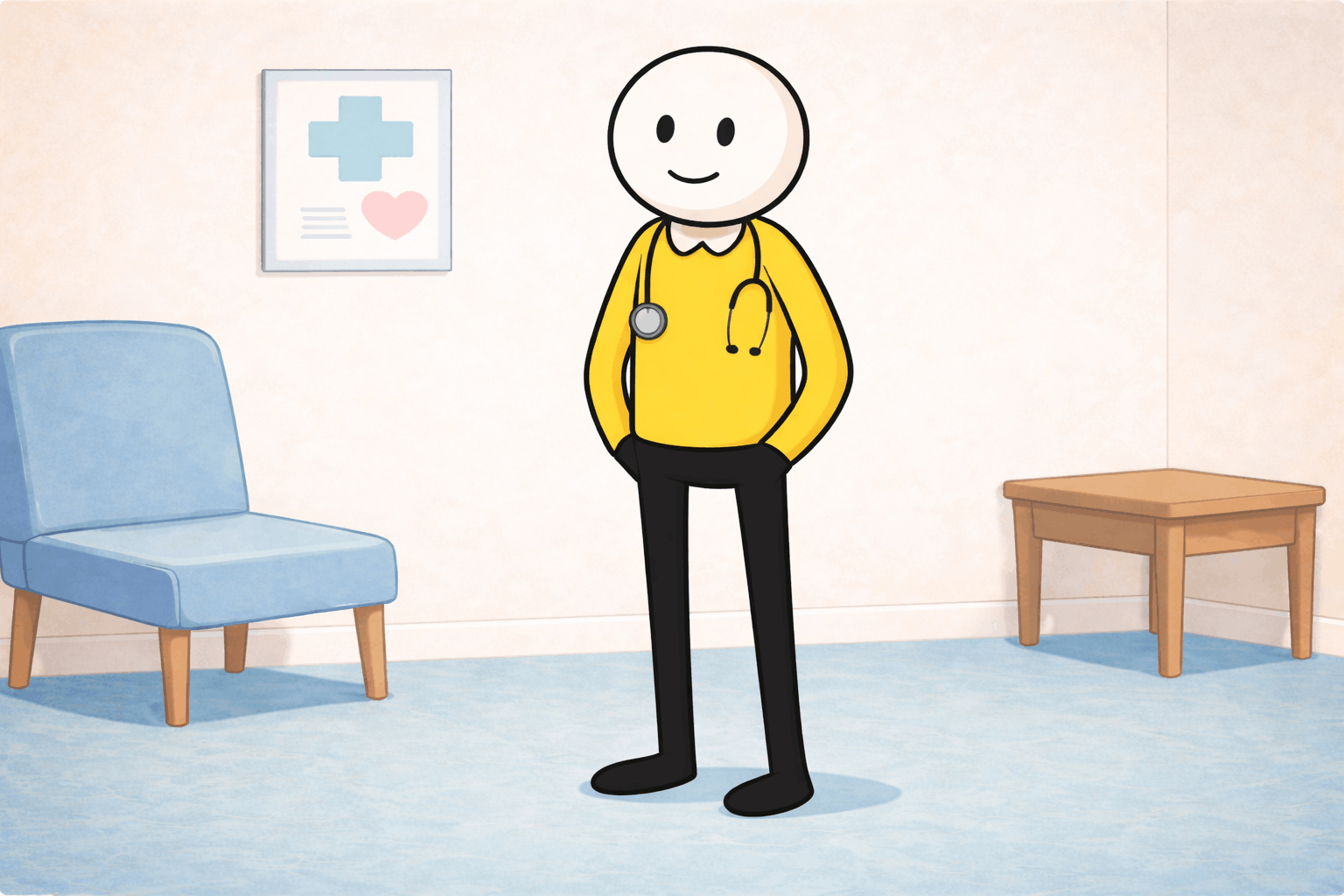
Voice (Doctor): If you’ve got pain in your muscles, joints and bones, that’s called musculoskeletal pain. Is it from injury? Growing pains? No obvious reason? You can still do things to help you carry on and maybe even hurt a little less, whether or not you are going to see a doctor.
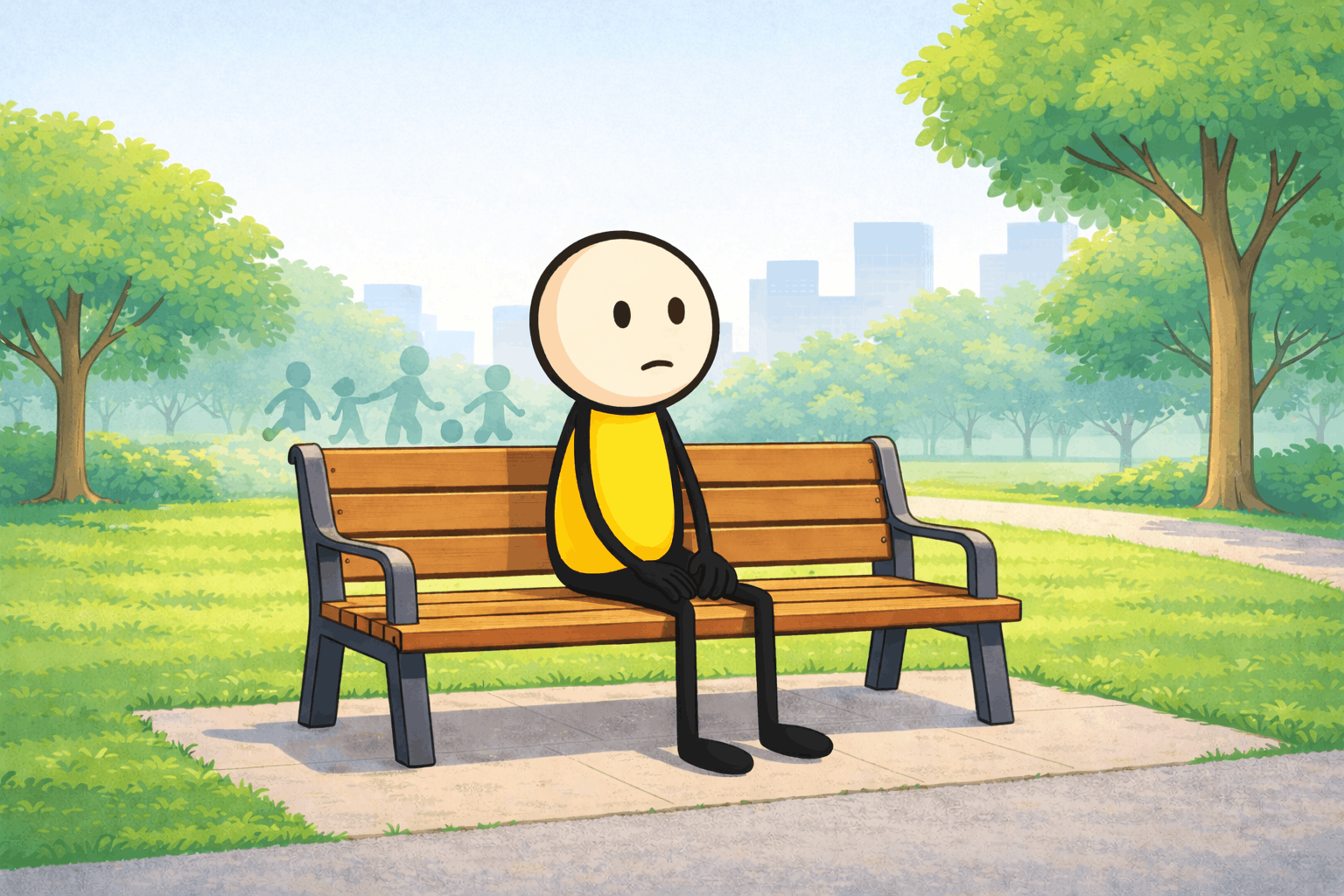
Voice: Look after your feelings. Try your best to be patient and understanding with yourself. Pain can make you feel rubbish, upset, or afraid. Let yourself feel that, and talk about things or write things down if you need to.
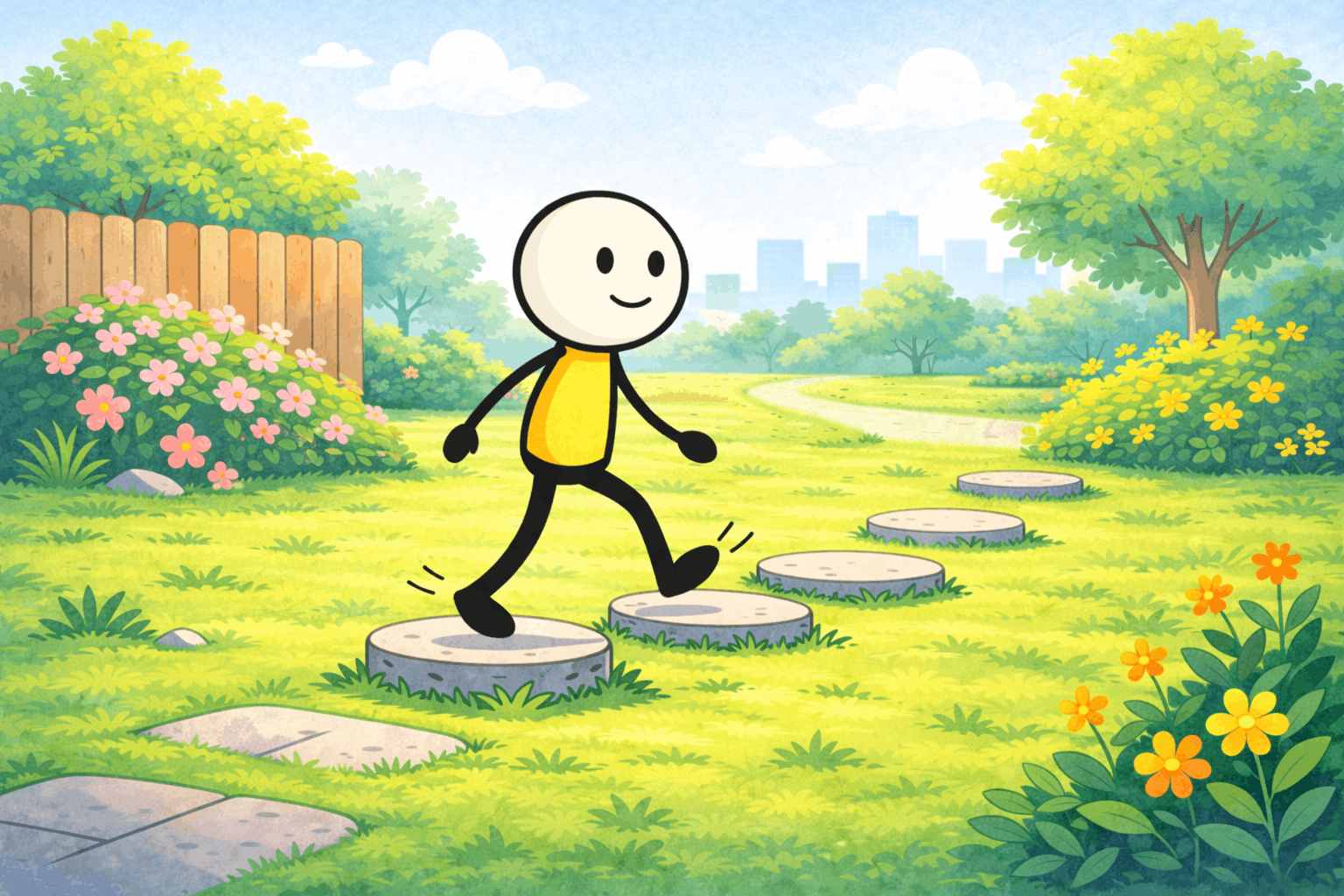
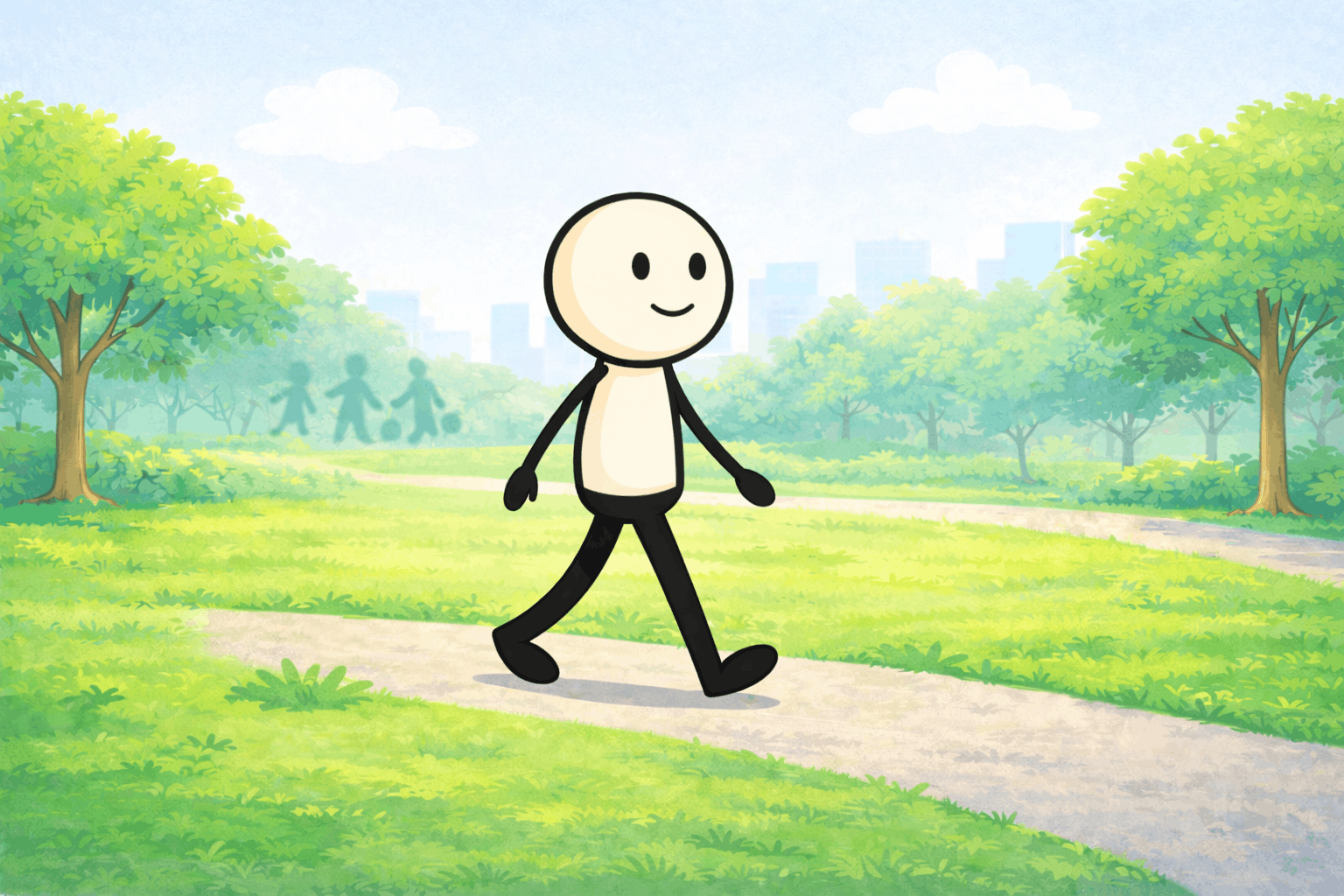
Voice: Try to keep moving, if you can. This can be walking, gentle stretching, or anything you feel able to do. Setting small goals can help too. Keep them realistic and take things one step at a time.
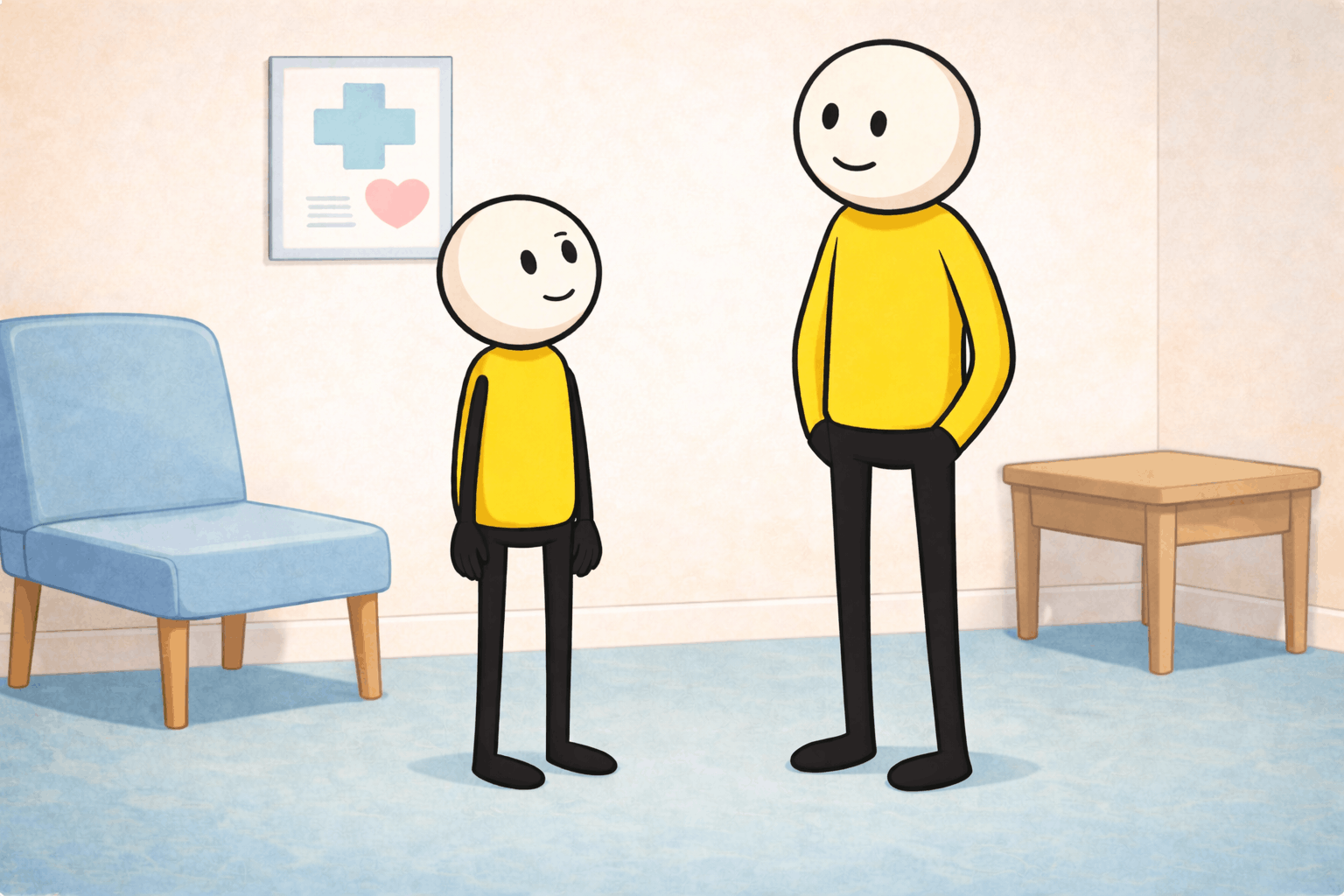
Voice: Get support. Feel free to talk about your pain and ask questions as much as you want and need. You are not alone.
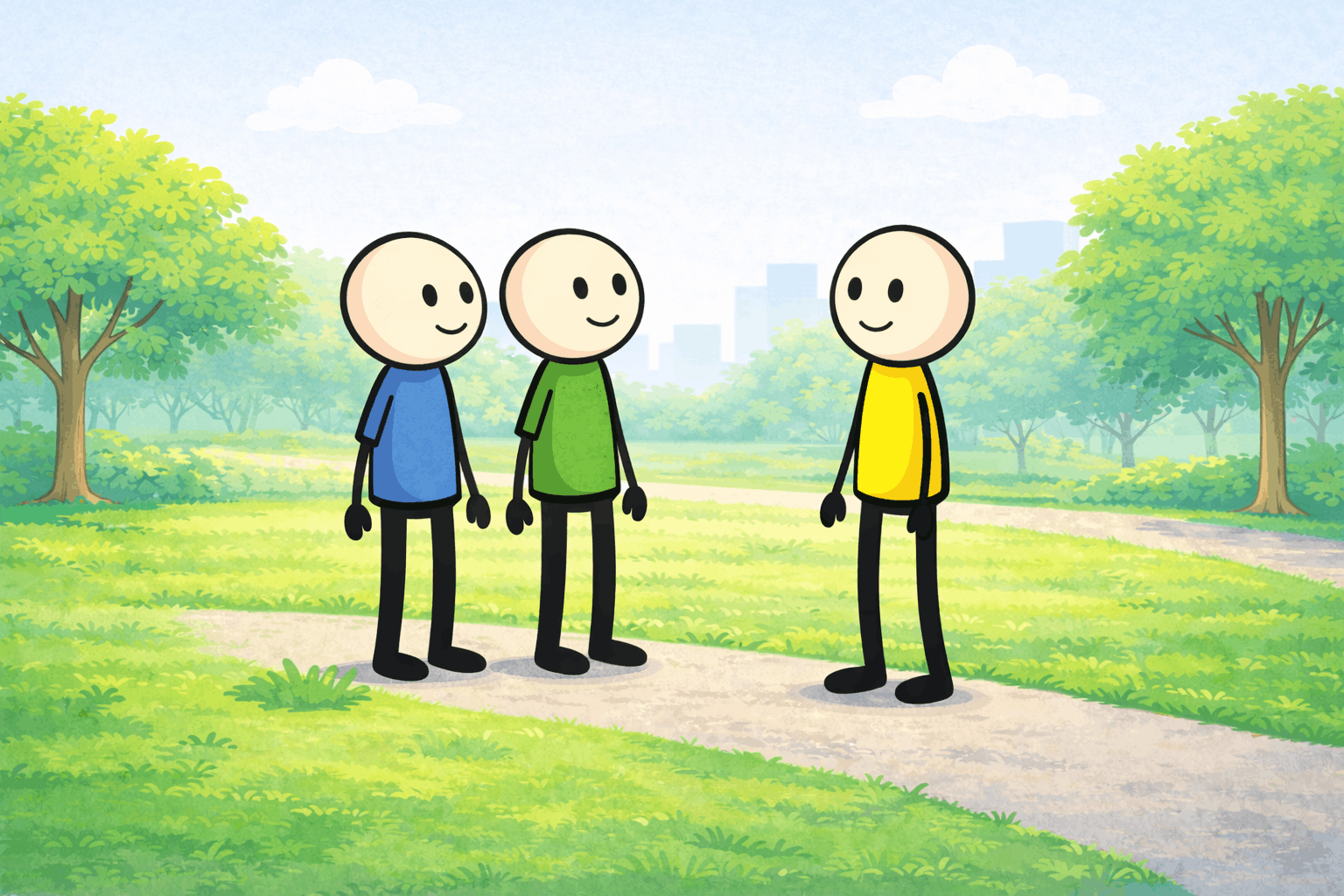
Voice: Stay involved. Keep going to school and spending time with friends. It’s important to keep doing things, even if you’re not feeling great.
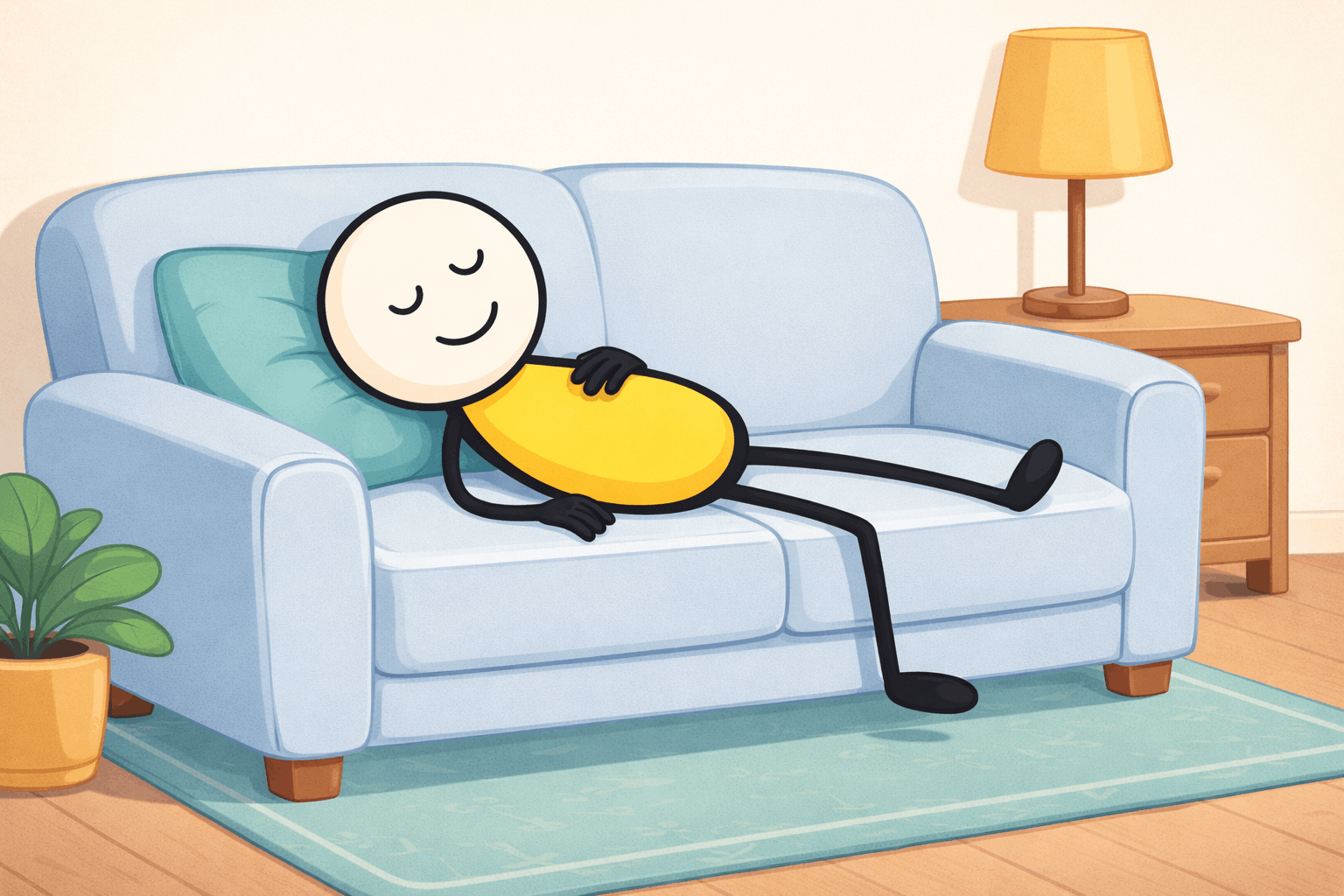
Voice: It’s good to get lots of sleep, if you can.
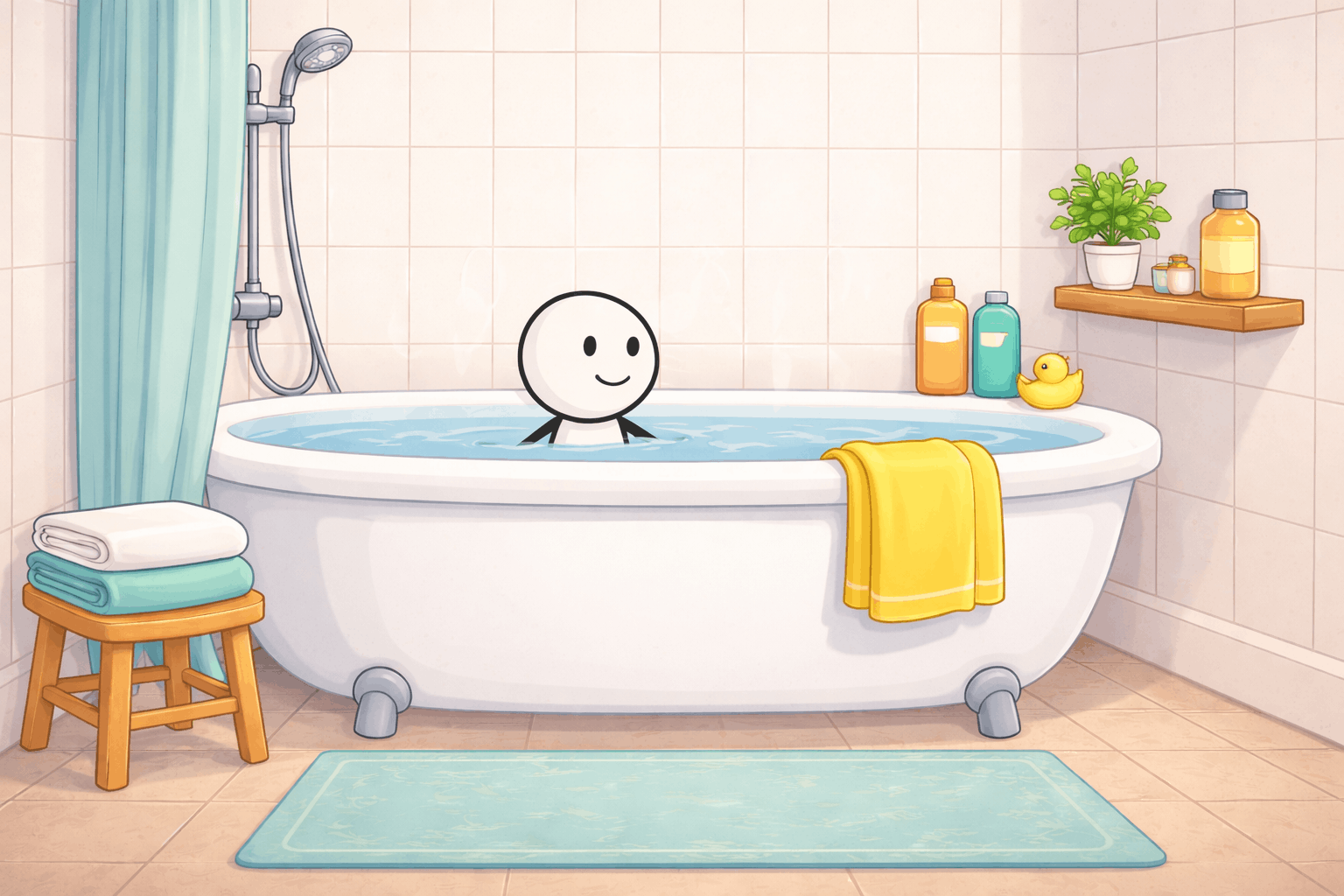
Voice: On top of these five things, we’ve had some wonderful advice from young people in the past few years. Some felt a warm bath was great for stiff muscles, and others preferred a cold pack.
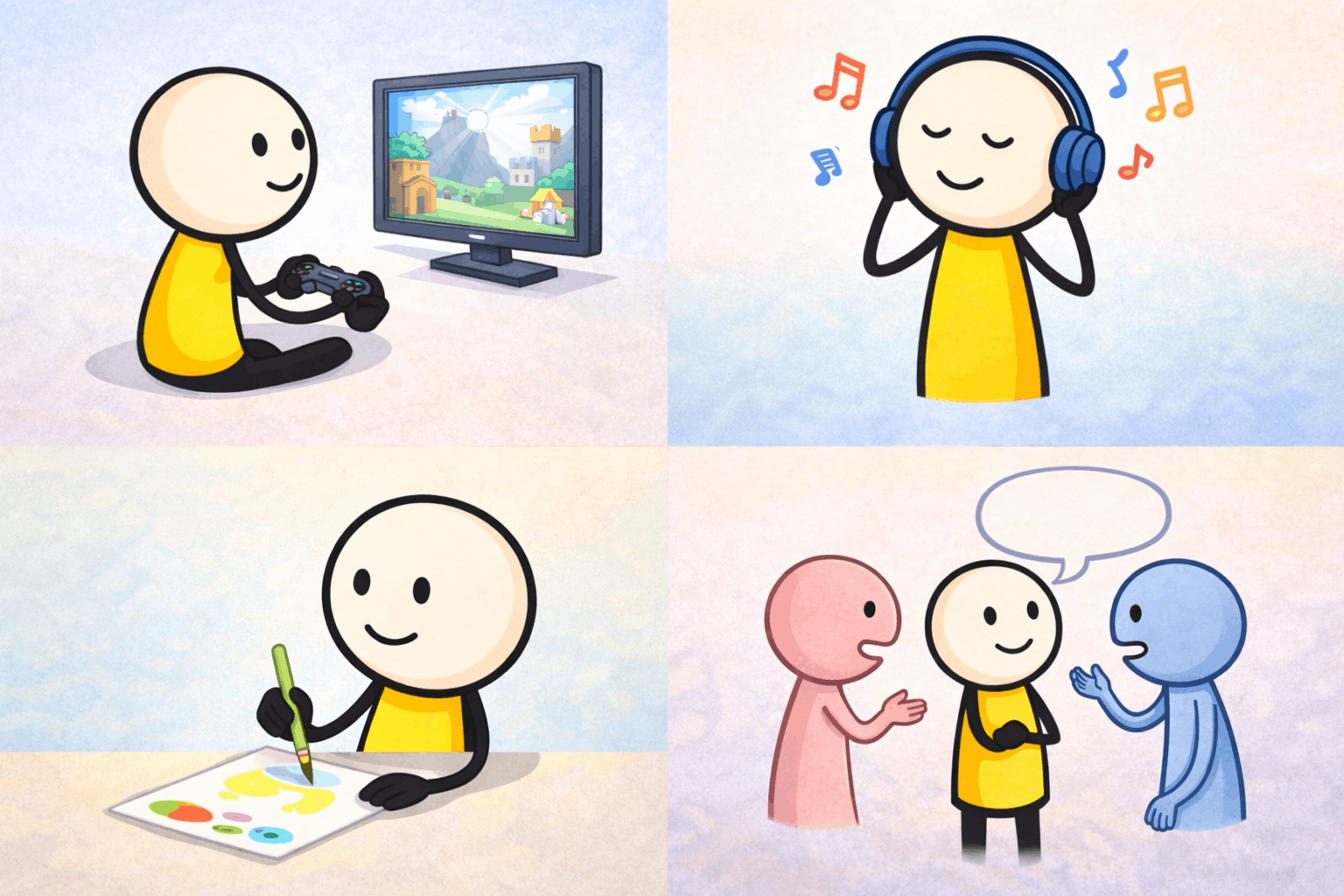
Voice: Also, try to have fun, whatever that looks like for you. Videogames, films, music, art, spending time with friends, or having a really good complain.
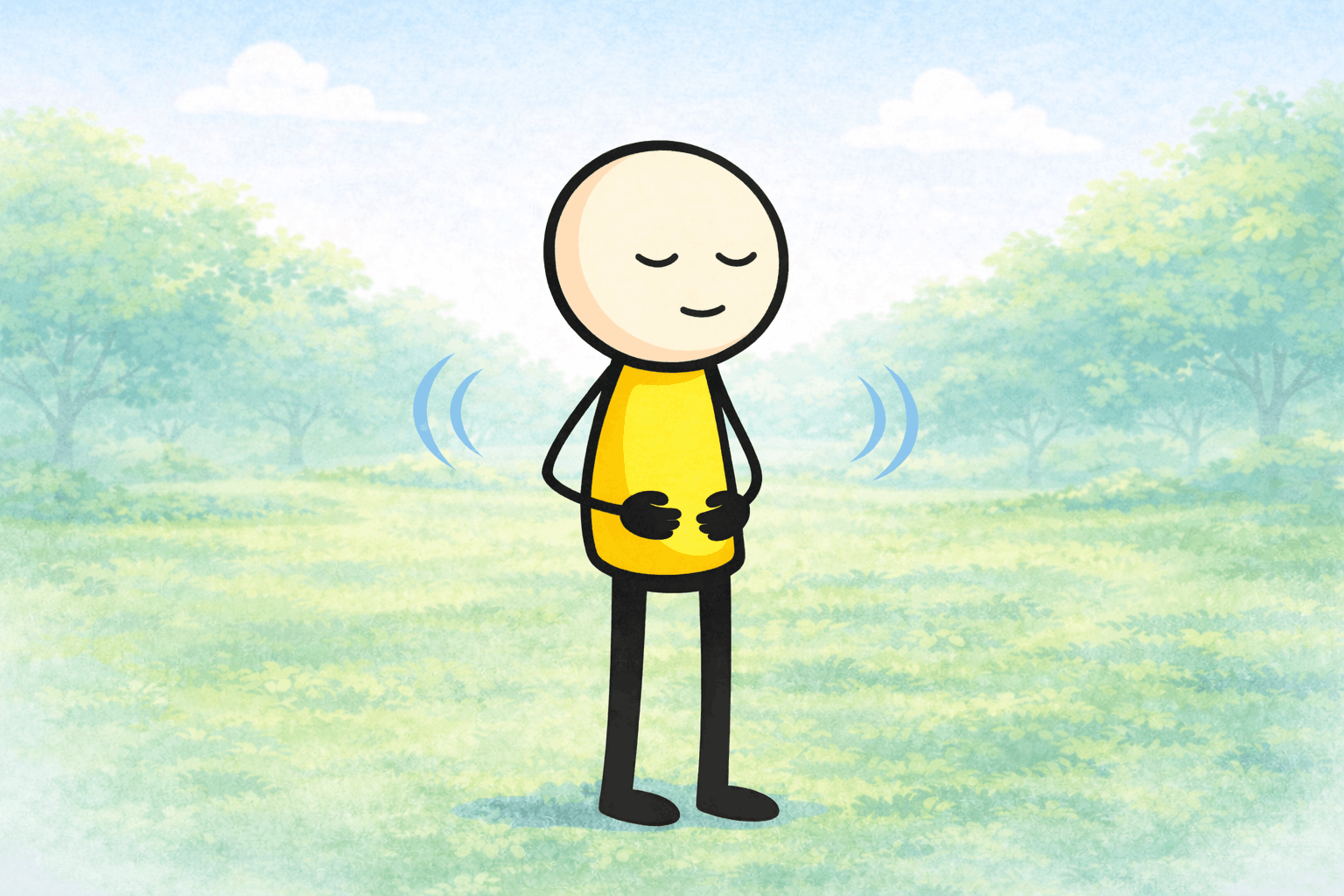
Voice: Try to take deep breaths. Pain is often worse when you’re stressed — nobody’s fault, it happens to us all — so just slowing down and relaxing can really help.
Voice: [Pause – no voice]

On-screen text (and optional voice): It’s not all up to you… but it’s not out of your control either.